Film and TV Production Transportation Toronto: Crew Shuttles for Hollywood North
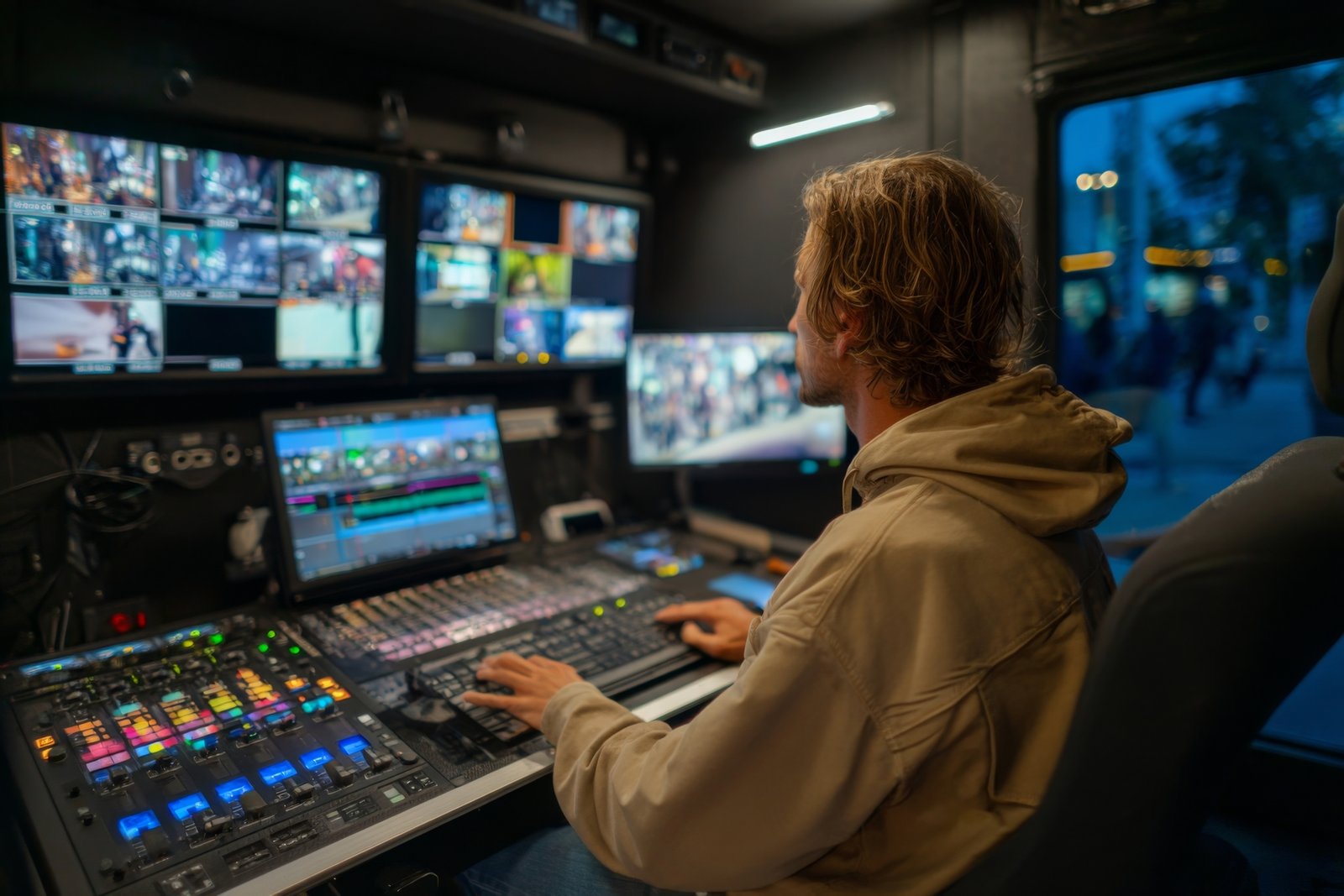
Toronto has earned the nickname Hollywood North for good reason — major streaming series, feature films, and commercial productions shoot across the city year-round, from Pinewood Toronto Studios in the Port Lands to location shoots in Cabbagetown, the Distillery District, and far-flung suburbs. What rarely gets discussed is the transportation engine that makes those productions actually function. Moving 80 to 250 crew members between basecamp, set, parking, and craft services every single day is a logistics challenge most productions underestimate until day three of principal photography. A reliable crew shuttle partner is what keeps the schedule on track.
Why Production Transportation Is Different From Any Other Group Transport
Productions do not run on regular hours. A 6 AM call time means crew shuttles depart at 5:15 AM. A night shoot ends at 4 AM. Lunch happens at hour six no matter when hour one started, which can put it at 1 PM, 5 PM, or midnight. The transportation partner has to flex around the production schedule, not the other way around. Drivers need to be available outside standard windows, vehicles need to be on standby for unscheduled location moves, and the operator needs to understand that "wrap" can shift by two hours with no warning.
The crew arriving on set in good condition matters more than on almost any other group transport. A grip arriving cold, stiff, and underslept does not perform at the same level. A camera assistant with a sore back from a bad bus ride moves slower. The shuttle is part of the production day, not just the logistics around it.
The Three Crew Movement Patterns Productions Need
Productions typically need three distinct shuttle services running simultaneously, and a good transportation partner handles all three.
Crew Parking Shuttle. Most location shoots cannot park 80 vehicles near set. Crew parks at a designated lot — often a mall, a stadium, or a parking structure 15 to 30 minutes from the location — and shuttles to set in waves. This shuttle runs continuously through call-in, again at lunch, and again at wrap, with the same driver and bus on the rotation for hours.
Basecamp to Set. Basecamp — where the trailers, makeup, wardrobe, and craft services live — is often a few blocks from the actual filming location. A continuous shuttle moves cast and crew between the two through the day, especially for productions with talent who shouldn't walk through public streets in costume.
Location Move Days. When production moves between two locations on the same shoot day, the entire crew needs to relocate quickly. A coordinated bus convoy gets the team from Location A to Location B in a single tight window, with equipment trucks following in parallel.
Vehicle Selection by Production Size
For boutique productions, music video shoots, and small commercial crews of 10 to 14, the 14-passenger Sprinter van is the right call — premium, easy to maneuver in tight downtown locations, and discreet enough to slip into residential neighborhoods without drawing attention. For mid-budget series and films with crews of 30 to 50 working a single location, the 48-seater school bus handles continuous parking shuttles cost-effectively. For tentpole productions with 80+ crew, the 56-passenger luxury coach bus with washroom and Wi-Fi is the right vehicle for long shuttle runs and pre-call-time crew movement, particularly when a base camp is set far from the location.
Background Performer Transportation
Productions with large background performer counts — period dramas, crowd scenes, mass transit recreations — often need to move 50 to 200 background actors from holding to set and back, sometimes multiple times in a day. This is one of the most demanding shuttle scenarios because background gets called early, waits for hours, and needs efficient movement to avoid blowing the daily schedule. A dedicated background shuttle running on a tight loop is the standard solution, and the holding location is often selected partly based on shuttle access.
The Production Coordinator Relationship
The transportation partner reports to the transportation coordinator or unit manager on set. The relationship is operational and detail-heavy. The coordinator needs the driver's direct cell, a clear understanding of the daily schedule, and confidence that calls and changes are handled instantly. Star Trans drivers experienced with productions know the rhythm — call sheets distributed the night before, an updated schedule first thing in the morning, and constant flex through the day.
Long-Run Production Bookings
A typical streaming series shoots for 60 to 100 days. A feature film shoots for 30 to 60 days. Booking the same vehicles and drivers for the entire run gives productions a known cost line, builds driver familiarity with the crew, and prevents the disruption of new drivers cycling through every week. Most experienced production coordinators specify a long-run charter with one operator rather than booking trip-by-trip, and the per-day rate on these long bookings is usually substantially lower than ad hoc rates.
Location Realities Drivers Need to Know
Toronto productions shoot in tight downtown streets, residential neighborhoods, parking lots, industrial sites, and rural areas across the GTA. The driver needs to know which downtown streets allow buses, where loading zones are tolerated by film unit by-laws, which suburban locations have the access road clearance for a 56-passenger coach, and how to coordinate with location managers on staging. This is not generic chauffeur work — it is operationally specific to film, and the right driver makes the schedule work while the wrong one costs the production hours.
Insurance, Permits, and the Production Side
Productions carry their own insurance, but the shuttle operator needs to carry commercial transportation insurance that meets industry minimums. Confirm coverage levels with your transportation partner before contract — most productions require certificate of insurance documentation as part of standard vendor onboarding. Star Trans operates with full commercial coverage and provides documentation routinely for productions.
Comfort Details That Matter on Long Days
Production days run 12 to 14 hours regularly. The shuttle is where crew sleeps before call, eats during transit, and decompresses on the wrap ride. Wi-Fi for crew to clear email between setups, climate control that keeps the bus warm through Toronto winters, and a clean cabin every morning are the small things that signal a transportation partner who actually understands the work. A clean bus on day one is easy. A clean bus on day forty-five is what separates real production transportation from any other charter operation.