Wedding Transportation Toronto: Booking the Perfect Bus for Your Big Day
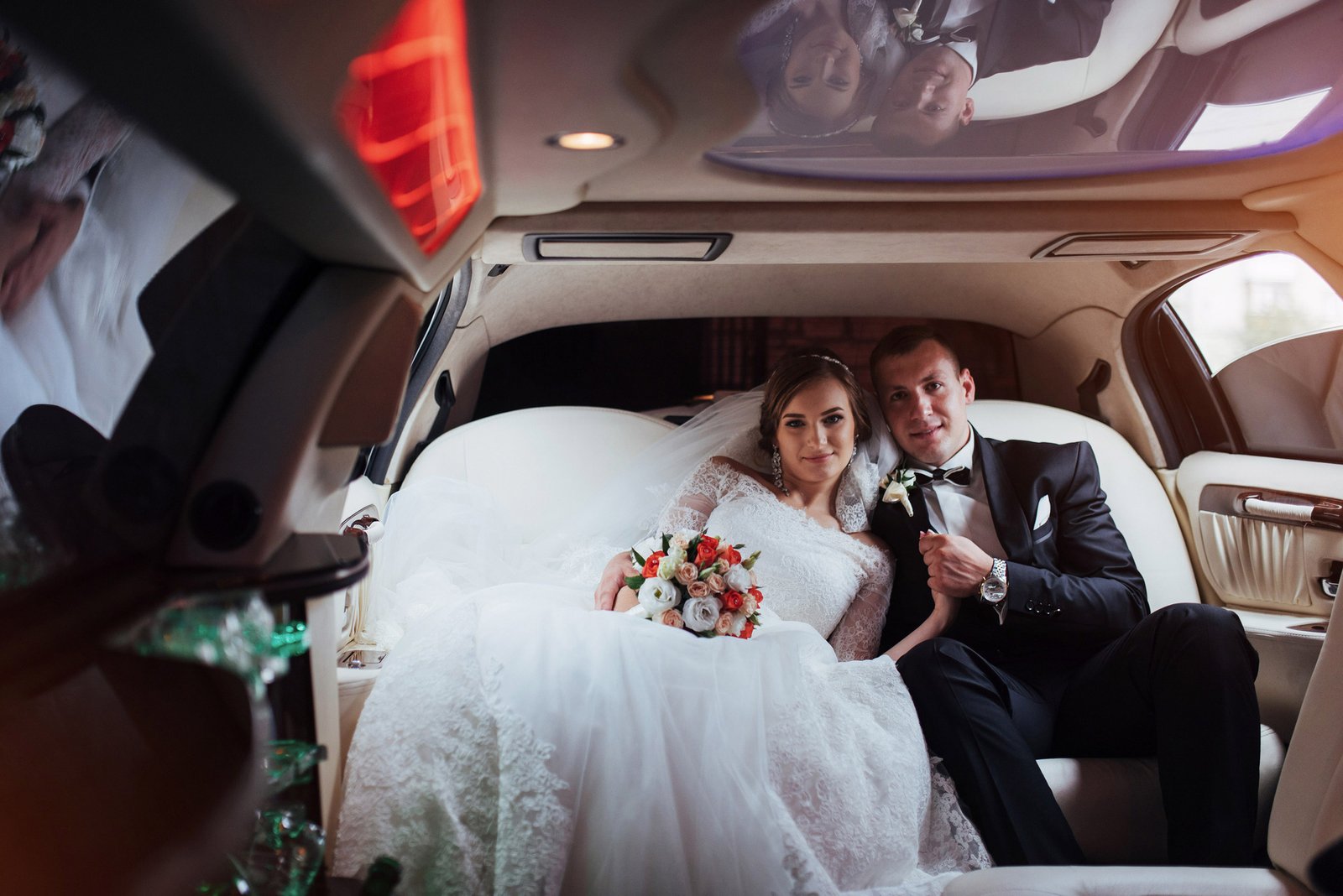
Your wedding day is one of the most carefully planned events of your life — and how your guests, bridal party, and family move between the ceremony, reception, and hotels is one of the easiest things to overlook until it goes wrong. A wedding shuttle or charter bus turns transportation from a stress point into a seamless part of the celebration. For couples getting married anywhere in the Greater Toronto Area, group transportation is no longer a luxury — it is the smartest single decision you can make for guest experience.
Why Wedding Transportation Matters More Than Couples Realize
Toronto weddings rarely happen at one location. The ceremony might be in a downtown church, the photo shoot at a scenic park or distillery district location, and the reception at a venue 30 to 60 minutes away. Add traffic, parking shortages, and out-of-town guests unfamiliar with the GTA, and the day can fragment quickly. A dedicated charter bus keeps your wedding party together, your timeline tight, and your guests safe — particularly important when wine and champagne are flowing freely at the reception.
The other often-missed benefit is photography. When your bridal party arrives together in a clean, professionally driven vehicle, the photos in front of the bus or stepping off the steps become some of the most memorable images of the day. Many couples now intentionally pick a bus or sprinter van to feature in their photo set.
Match the Vehicle to Your Guest Count and Vibe
Star Trans operates three primary vehicle classes that cover almost every wedding scenario. The 14-seater Sprinter passenger van is ideal for the bridal party only — bride, groom, parents, bridesmaids, and groomsmen riding together between locations. The 48-seater school bus is the workhorse for medium-sized weddings, perfect for shuttling 30 to 45 guests between hotels and the venue. The 56-passenger luxury coach bus, with reclining seats, washroom, and Wi-Fi, is the right call for larger weddings of 50+ guests, longer distances, or multi-stop routes.
For a typical 120-guest Toronto wedding with out-of-town family, two coach buses running shuttle loops between the host hotel and the venue is the most efficient set-up. One bus moves guests for ceremony arrival, both run between the ceremony and reception, and one returns guests to the hotel after the reception ends.
Building the Wedding Day Transportation Timeline
Smart wedding transportation planning starts six weeks before the wedding, not six days. Begin with a written timeline that includes ceremony start, photo shoot end time, cocktail hour start, dinner service, and reception end. Then work backwards: the bridal party should arrive at the ceremony venue 45 minutes before the start, which means the bus must leave the getting-ready location at least 15 minutes earlier than feels necessary. Toronto traffic on a Saturday afternoon is unforgiving — every wedding planner has a story of a bridal party stuck on the Gardiner Expressway because of optimistic timing.
Build in a 20-minute buffer at every transition. If your photographer says photos will end at 5:00 PM, schedule the bus to leave at 5:20. The buffer also gives time for the bridal party to freshen up and enter the reception together with the energy that moment deserves.
Guest Shuttle Logistics That Make Everyone's Day Easier
For weddings where many guests are flying in or staying at one or two host hotels, a shuttle loop is the gold standard. Set up two pickup times from the hotel — one for guests who want to arrive early and mingle, one for guests timing it tightly. Print the shuttle schedule on your wedding website and in the welcome bag. Assign a member of your wedding party or a venue coordinator as the shuttle point person, holding a clipboard with names and a phone number to call if a guest is running late.
For the return shuttle after the reception, run two departure waves — one at 11:00 PM for early-leavers and one at the reception's official end time. This single decision eliminates the wedding-night ride scramble that ruins the end of so many otherwise-perfect celebrations.
Decorating the Bus Without Damaging It
Many couples want to add a personal touch to the wedding bus. Star Trans permits removable decorations — magnetic signs, ribbon, a clean window cling for the front. What is never permitted is anything adhesive that leaves residue, anything that obstructs the driver's sightlines, or anything attached to the exterior at highway speeds. Plan decorations with your driver during the pre-trip walkthrough; experienced bus operators have seen what works and what falls off a kilometre into the trip.
Booking Windows and Pricing Reality
Toronto weddings cluster heavily between June and October, with peak Saturdays in August and September. For these dates, wedding transportation should be booked five to seven months in advance to lock in the right vehicle. Last-minute bookings during peak season are still possible but pull from a smaller pool of available coaches.
Rates are typically structured by hour with a four- to six-hour minimum, plus driver gratuity, fuel surcharges for long-distance trips outside the GTA, and overnight fees if the schedule pushes past midnight. Always confirm whether quoted rates include HST and parking fees at the venue.
The Final Walkthrough
Two days before the wedding, confirm pickup addresses, contact numbers, and the timeline in writing with your transportation company. The day-of coordinator should have the driver's direct cell number. Build the wedding transportation as carefully as you build the seating chart — and on the morning of, your wedding will run on rails while everyone else's seems to run on hope.