Five Months of a Different Operating Environment
Group travel does not stop in November. Ski trips, holiday events, corporate parties, winter sports tournaments, conferences and family gatherings keep vehicles busy right through to spring. What changes is that every trip now carries a variable that no schedule controls.
Winter travel in Ontario is entirely manageable, and thousands of group trips run smoothly each season. What separates the smooth ones from the difficult ones is usually how the schedule was built rather than how bad the weather was.
Where Conditions Turn Quickly
Ontario's difficult winter driving is concentrated in identifiable places. The corridor north from Barrie toward Collingwood and Owen Sound catches lake-effect snow off Georgian Bay and can go from clear to whiteout in minutes. Highway 402 near Sarnia and stretches of the 401 through southwestern Ontario are known for squall conditions. The 115 toward Peterborough and Highway 11 north are exposed and can drift.
Trips crossing these areas in winter deserve extra scheduling margin as a matter of routine, not as a reaction to a forecast.
Building a Winter-Proof Schedule
The core principle is that a winter itinerary should survive a delay without collapsing.
- Add 25 to 50 percent to expected travel time for any highway leg
- Schedule arrival well before any hard deadline, not just before it
- Avoid itineraries where one delay breaks every subsequent element
- Prefer daytime travel over night travel where the choice exists
- Have a stated fallback for what happens if the trip cannot run
Groups travelling to catch a flight should be especially conservative. A winter airport transfer should leave earlier than feels necessary, because the alternative outcome is not a late arrival, it is a missed departure.
What Operators Do Differently in Winter
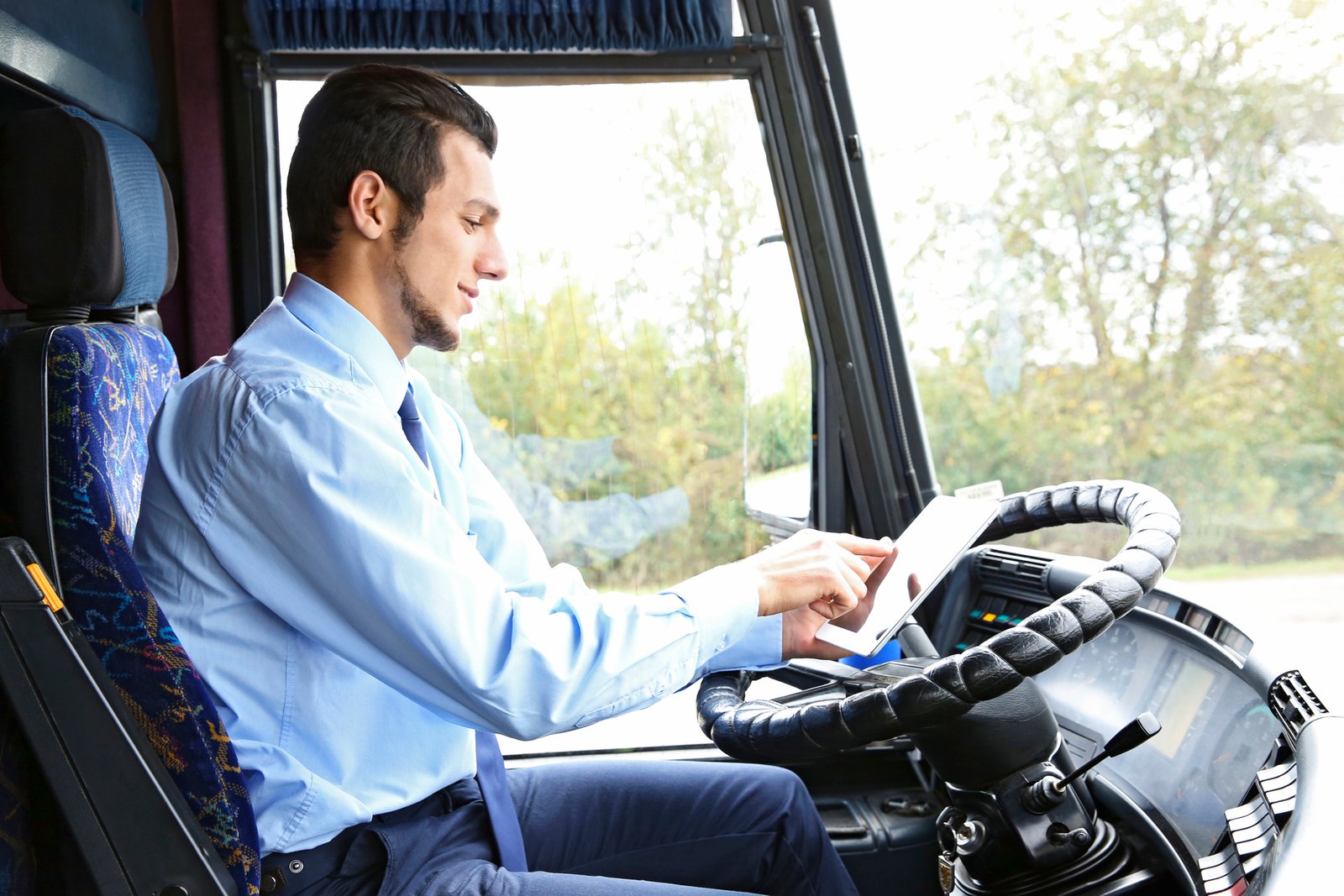
Professional operators change their own practices for the season. Vehicles are prepared for winter conditions, drivers monitor forecasts and road reports before and during trips, and routes may be altered on the day to avoid a developing problem.
Drivers also adjust how they drive - lower speeds, longer following distances, more cautious approaches to hills and bridges. If a trip is running slower than the schedule suggested, that is usually the correct response to conditions rather than a delay to be complained about.
The most important thing an operator does in severe weather is exercise judgment about whether to travel at all. A decision to delay or cancel is a safety decision. Organizers who understand that in advance handle it far better than those hearing it for the first time on the morning of the trip.
Agreeing the Weather Policy Before You Book
This is the conversation to have at booking, when everyone is calm. Establish who makes the call to postpone, by what time that decision is communicated, whether the booking can be moved to another date, and what the financial position is in each scenario.
Then communicate that policy to your group in advance. A trip postponed for safety is a manageable disappointment when people have been told it might happen. It is a much bigger problem when it arrives without warning.
What Passengers Should Know
Give your group some practical guidance before a winter trip. Dress for standing outside at the pickup point, not for the heated interior of the vehicle. Bring essential medication in a carried bag rather than in stowed luggage. Expect the journey to take longer than the same trip would in July. And be at the pickup point on time, because a group waiting in the cold for latecomers is an unhappy group.
For ski and winter sports trips, remind everyone that equipment goes in the luggage bays and that loading in cold weather takes longer than they expect.
The Case for Travelling by Coach in Winter
Winter is when group transport makes the most sense. A professional driver in a heavy, well-maintained vehicle with winter-rated tires and experience of these roads is a considerably better proposition than twenty individual drivers of varying confidence heading up Highway 400 in falling snow.
The comfort argument holds too. Arriving warm, unstressed and together at a ski hill or a holiday event beats arriving separately, late, and having spent two hours gripping a steering wheel.
Related Group Travel Guides
Planning group transport in the GTA? These StarTrans guides go deeper:
- Ski Trip Bus Rentals from Toronto to Blue Mountain
- New Year's Eve Group Transportation Toronto
- Barrie and Simcoe County Group Charters from Toronto
Book This Trip with StarTrans
Tell us the date, the pickup point, the destination and the number of passengers, and we will confirm the right vehicle and give you a clear, all-in price with a professional driver included. StarTrans serves Toronto, Mississauga, Brampton, Markham, Vaughan, Scarborough and the wider GTA. Call +1 416 970 0202 or request a free quote.